
This free Shakespearean translator turns plain English into the Shakespearean-style voice. It also works the other way: paste a speech from a play and read it in modern English. It’s a two-way Shakespeare translator, and you don’t need an account.
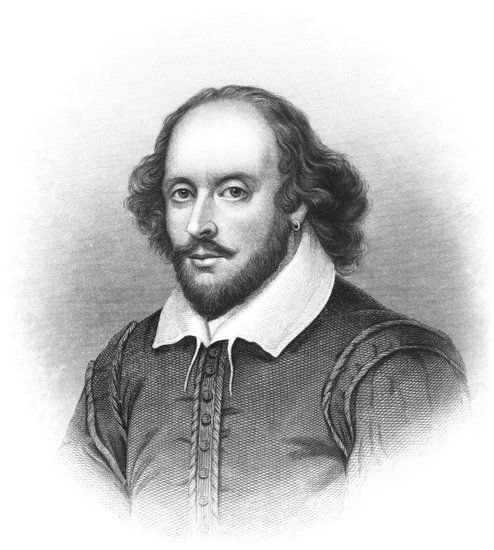
Pick a direction, pick a style, then press Translate. Not sure what to type? .
Free · No signup · Translations are Shakespeare-inspired renderings, not authentic quotations.
Pick a direction, pick a style, then press Translate. Not sure what to type? Hit Try an Example.
Free to use · No signup · Two-way · Word-by-word notes
Using this Shakespearean English translator takes three steps.
For a longer piece, use Translate a File. Your Recent Translations list keeps your last results.
1
Enter your text. Type or paste a word, a sentence, or a whole paragraph.
2
Choose a direction and a style. Pick English → Shakespearean to make your words sound old, or Shakespearean → English to make old words plain.
3
Translate and explore. Press Translate, then open the word-by-word notes to see what changed and why. Press Translate Again for a new version, ⇄ to swap sides, and Copy, Listen or Download when you’re happy.
Natural
Light touch. Swaps key words like you for thou but keeps the sentence easy to read.
Best forCaptions, texts, schoolwork
Classic
A fuller Elizabethan sound with old verb forms like hath and dost.
Best forCards, letters, role-play
Dramatic
Bold and stagey, as if spoken from the front of a theatre.
Best forToasts, speeches, jokes
Poetic
Leans toward rhythm and flowing word order, like lines of verse.
Best forPoems, love notes
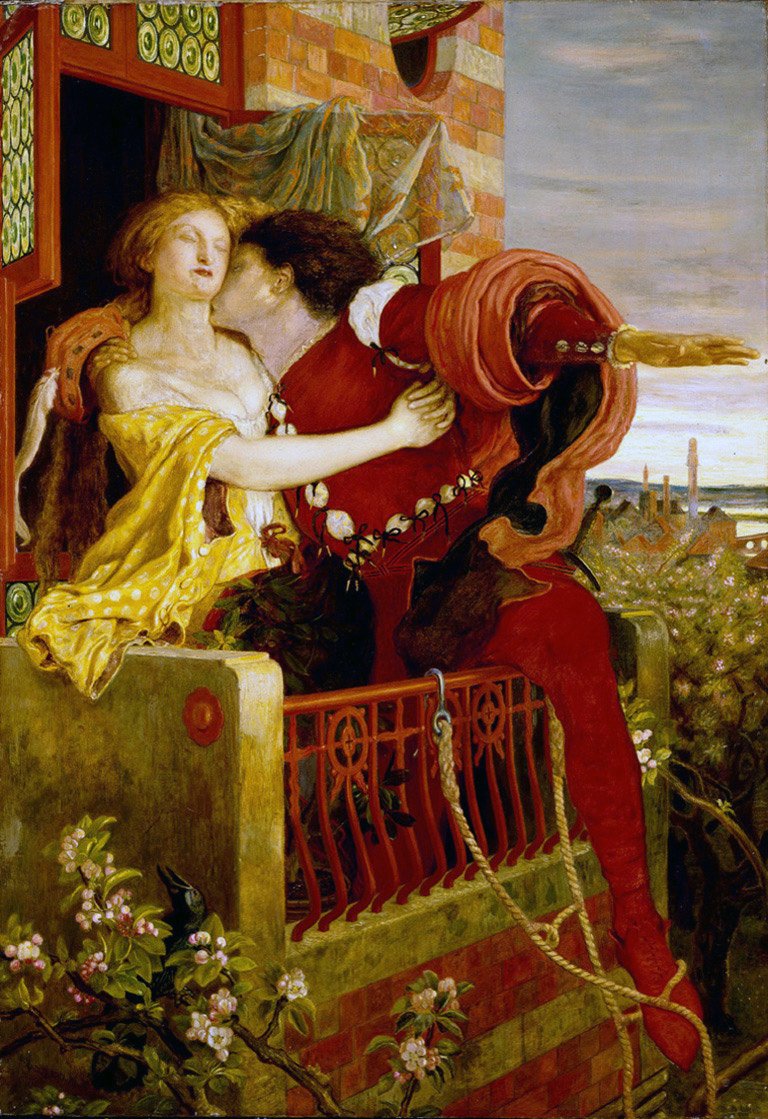
Choose English → Shakespearean to turn everyday words into the speech of Shakespeare’s plays. Use it to dress up a birthday card, write a funny caption, or give a character in your story an old-world voice. Start with Natural if you want people to follow every word, then move up to Classic or Dramatic for the full effect.
You don’t need a full sentence. Type one word, such as you, why, or soon, and the tool shows its Shakespearean match. Think of it as a Shakespeare word translator for learning the old words one at a time.
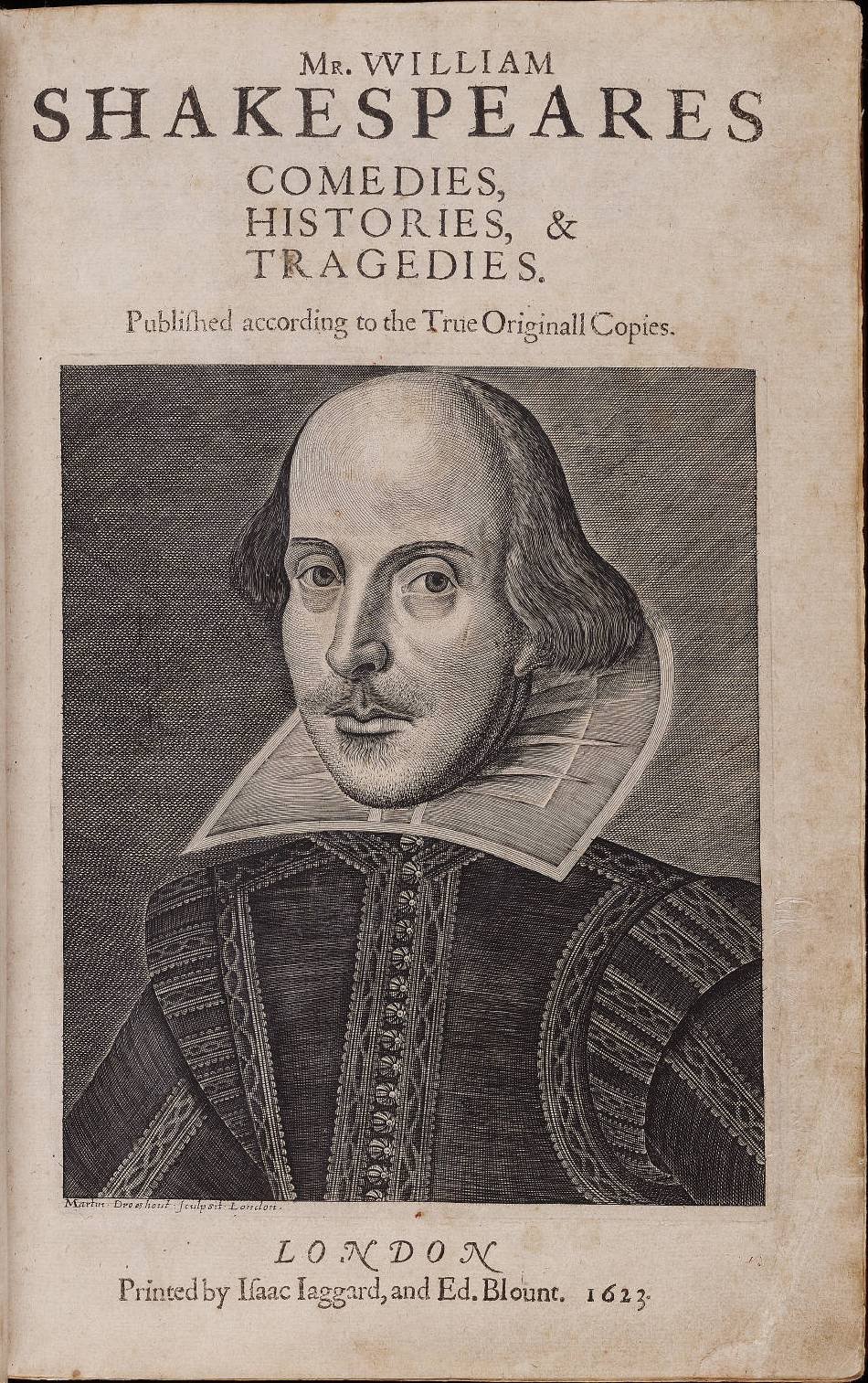
Choose Shakespearean → English when a line from a play makes no sense. Paste the passage and this Shakespearean to English translator rewrites it in plain modern English, with notes on the tricky words.
Working through a whole scene, sonnet, or school text? Our Shakespeare to modern English translator is built for that, with famous passages explained play by play and a study method for essays.
Every Shakespeare translation below comes with a note on what changed. These are sample outputs; your result may differ a little by style.
| Modern English | Shakespearean English | What changed and why |
|---|---|---|
| Hi, how are you? | Good morrow! How art thou? | Good morrow is an old greeting, close to “good morning.” You becomes thou, and are becomes art. |
| I love you more than words can say. | I do love thee more than words can say. | Thee is the object of the verb. The extra do adds weight. |
| Where are you going? | Whither goest thou? | Whither means “to where.” Go takes -est to match thou, and the verb moves first. |
| Please be quiet, you fool. | Prithee, hold thy tongue, thou fool. | Prithee is short for “I pray thee.” Hold thy tongue means “stop talking.” |
| Why are you sad? | Wherefore art thou sad? | Wherefore means “why,” not “where.” |
| Don’t you know who I am? | Knowest thou not who I am? | Older English put not after the verb instead of using don’t. |
| He has my book. | He hath my book. | Hath is the older form of has for he, she, and it. |
| Maybe we’ll meet again soon. | Perchance we shall meet anon again. | Perchance means “maybe,” and anon means “soon.” |
A good Shakespearean translation changes more than single words. Watch for four kinds of change.
1
Pronouns. You becomes thou or thee, and your becomes thy or thine, based on where the word sits in the sentence.
2
Verb endings. Verbs after thou take -est or -st (thou knowest, thou canst). Verbs for he, she, or it can take -eth (she speaketh).
3
Word swaps. Why becomes wherefore, soon becomes anon, please becomes prithee.
4
Word order. Questions put the verb first: Knowest thou? Instead of Do you know?
Thou and thee both mean “you” for one person. Thou is the subject, and thee is the object, just like I and me.
| If you’d say… | Use… | Example |
|---|---|---|
| I | thou | Thou art brave. (You are brave.) |
| me | thee | I see thee. (I see you.) |
| my (before a consonant) | thy | Thy horse. (Your horse.) |
| my (before a vowel) or mine | thine | Thine eyes. / It is thine. |
Thou and thee were singular forms of “you,” while you could be used for plural and also as a polite or formal form. The choice could also reflect familiarity, status, distance, or emotion. The meaning depends on the scene and relationship between characters.
Most of the hard words in Shakespeare come from a short list
Look up more terms in our Shakespearean Dictionary.
| Word | Modern meaning |
|---|---|
| thou | you |
| thee | you |
| thy | your |
| wherefore | why |
| whither | where to |
| prithee | please |
| anon | soon/shortly |
| methinks | I think |
Shakespeare wrote in Early Modern English, the form of English used during his lifetime. Much of his career falls in the Elizabethan and Jacobean periods. “Shakespearean English” is a common term for the language and style found in his plays and poems. That’s why a Shakespearean language translator can change so much with so few words.
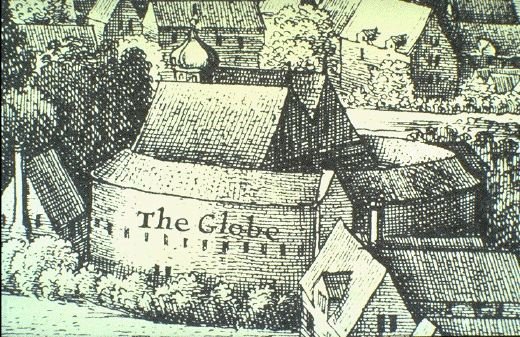
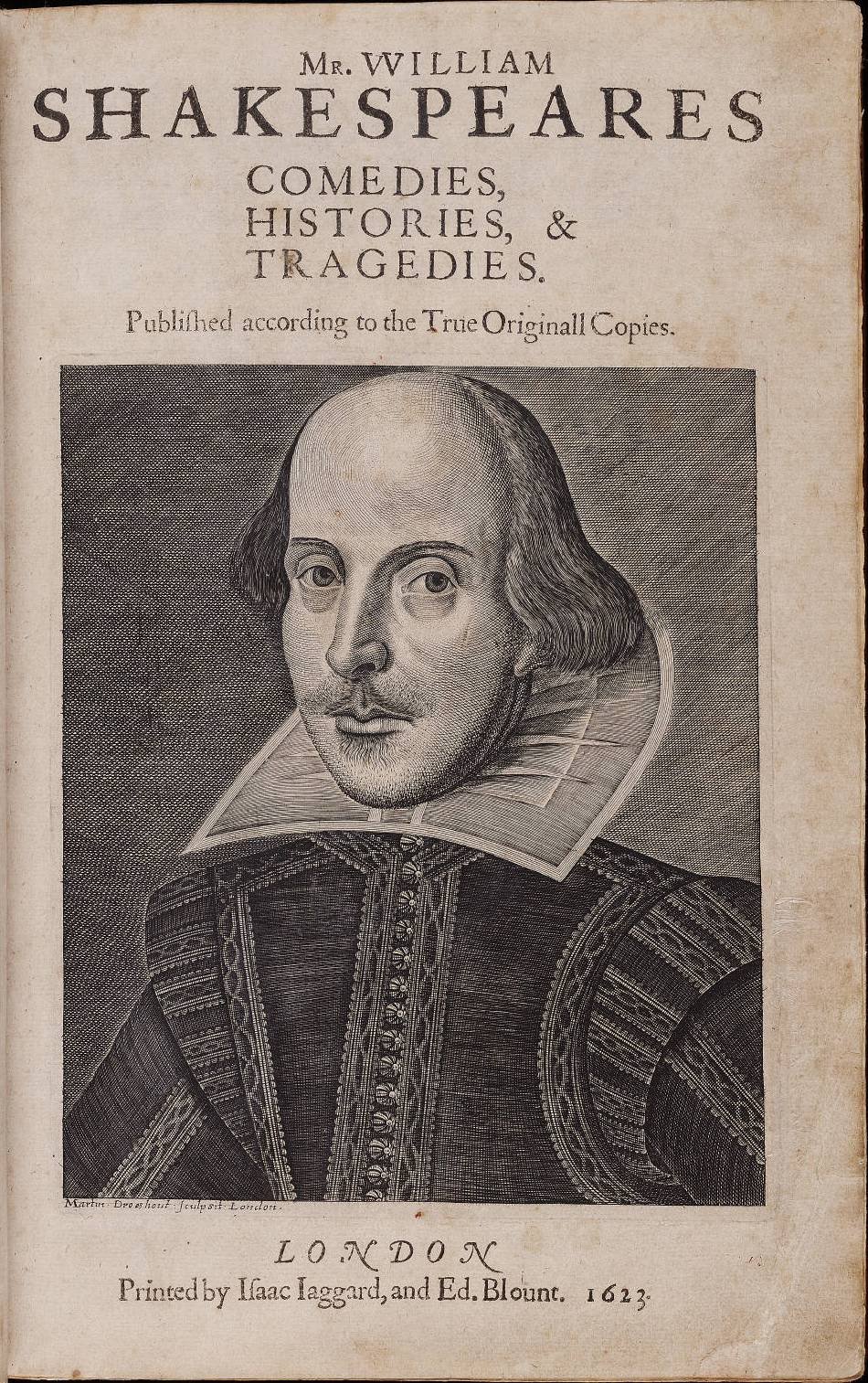
William Shakespeare grew up in Stratford-upon-Avon and wrote for the London stage, where many of his plays were staged at the Globe Theatre. He wrote under Queen Elizabeth I and King James I, so his English is called both Elizabethan and Jacobean. English vowels were shifting at the time, a change often called the Great Vowel Shift, which is why some of his rhymes don’t seem to rhyme today.
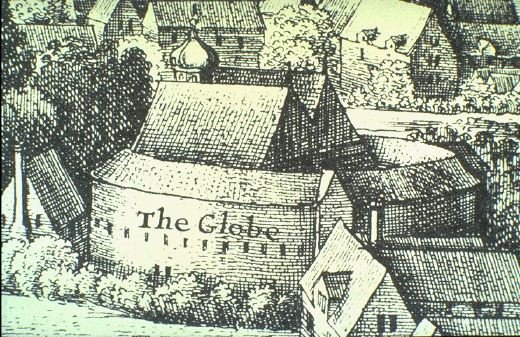
Shakespeare did not write in Old English.
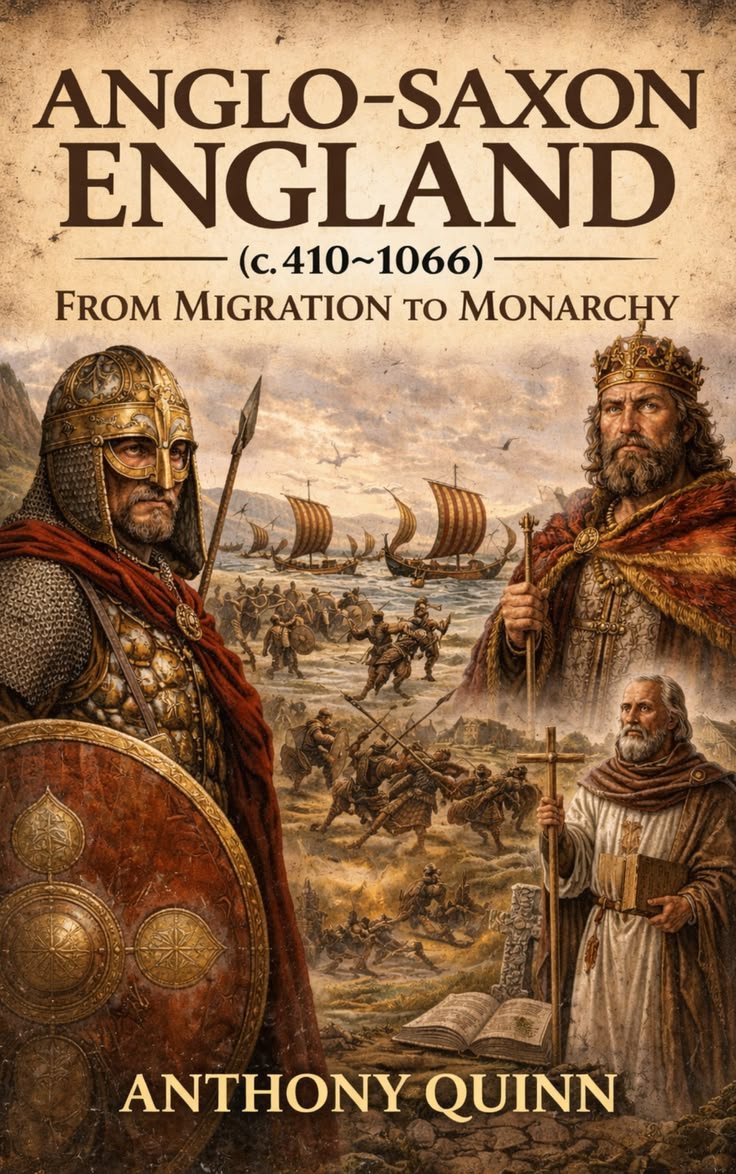
Old English (Anglo-Saxon)
The much older English of poems like Beowulf. Many letters and words look foreign.
Can a modern reader follow it?Not without study
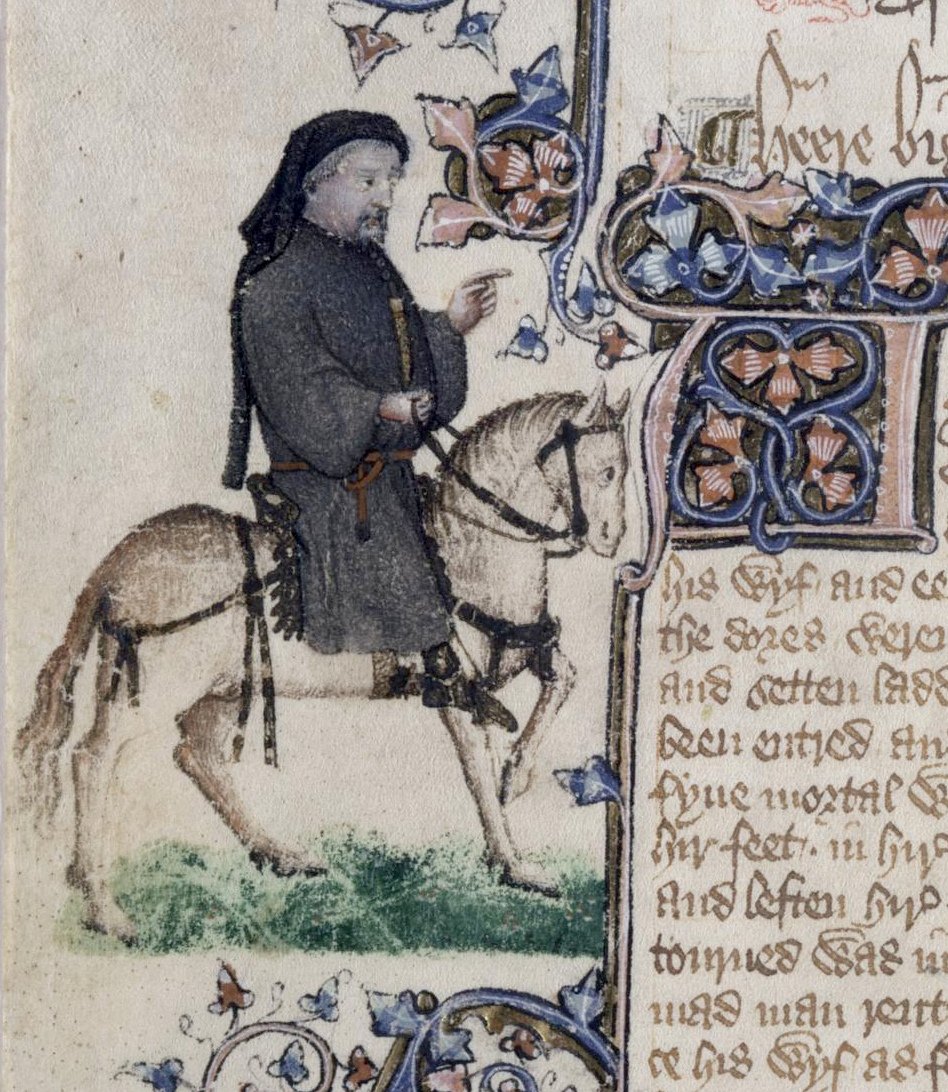
Middle English
The English of Chaucer’s Canterbury Tales. Closer to ours, with odd spellings.
Can a modern reader follow it?Partly, with effort
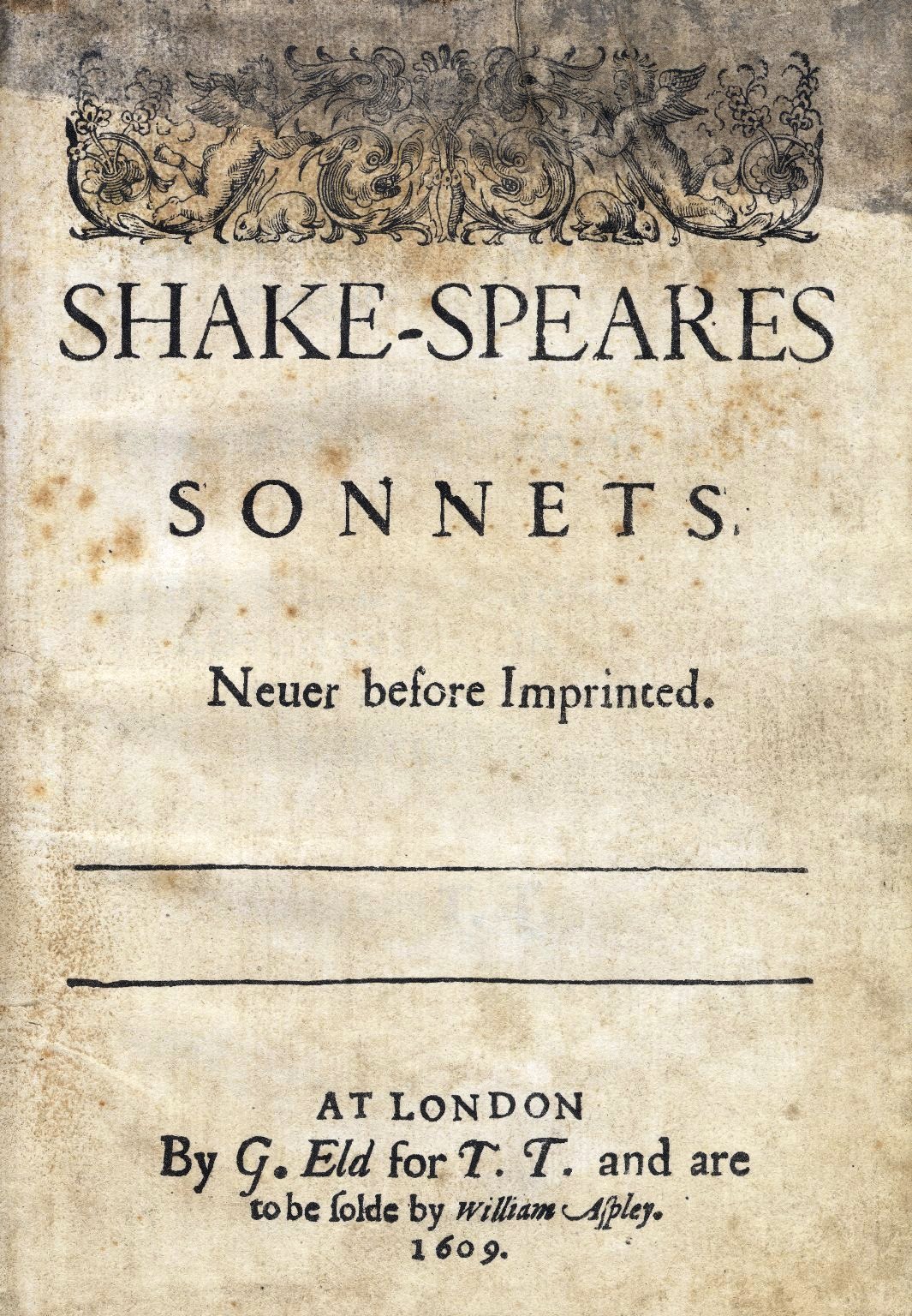
Early Modern (Shakespearean) English
The English of Shakespeare’s plays and sonnets.
Can a modern reader follow it?Mostly, with a few word notes
To be, or not to be, that is the question
Is it better to live or to die?
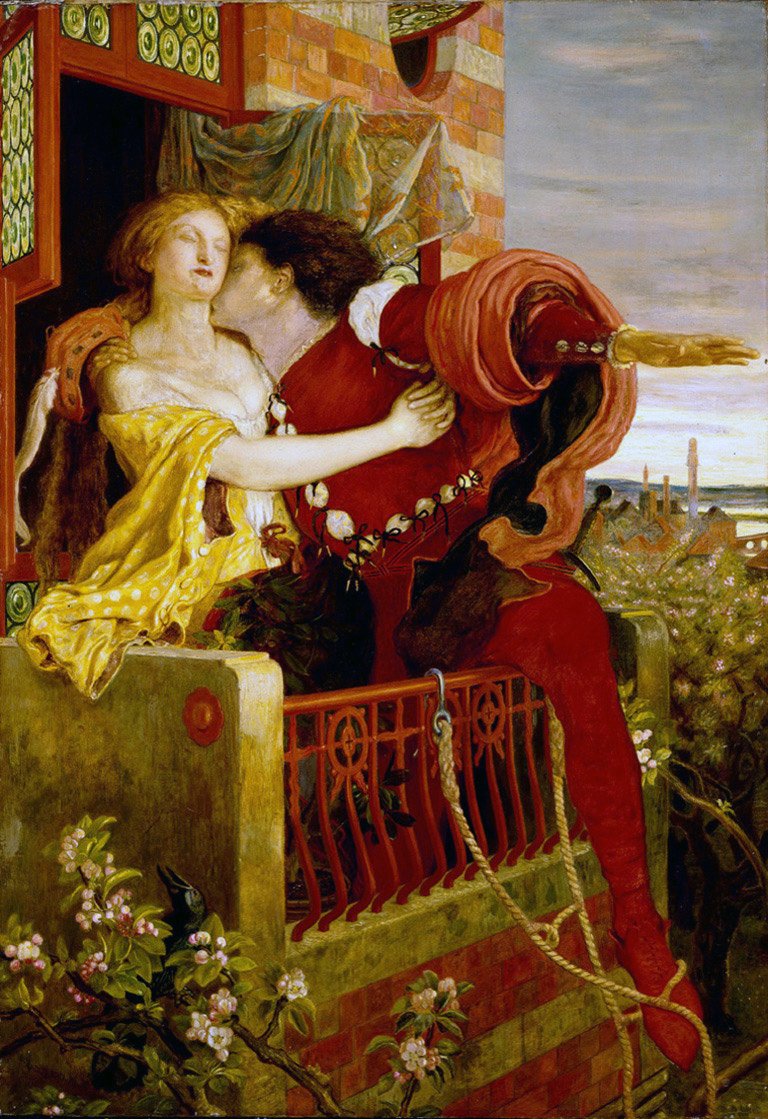
O Romeo, Romeo, wherefore art thou Romeo?
Romeo, why do you have to be Romeo?
Fair is foul, and foul is fair
What looks good is bad, and what looks bad is good.

Et tu, Brute?
You too, Brutus?
O, beware, my lord, of jealousy; it is the green-eyed monster
Be careful of jealousy, my lord. It’s a monster.
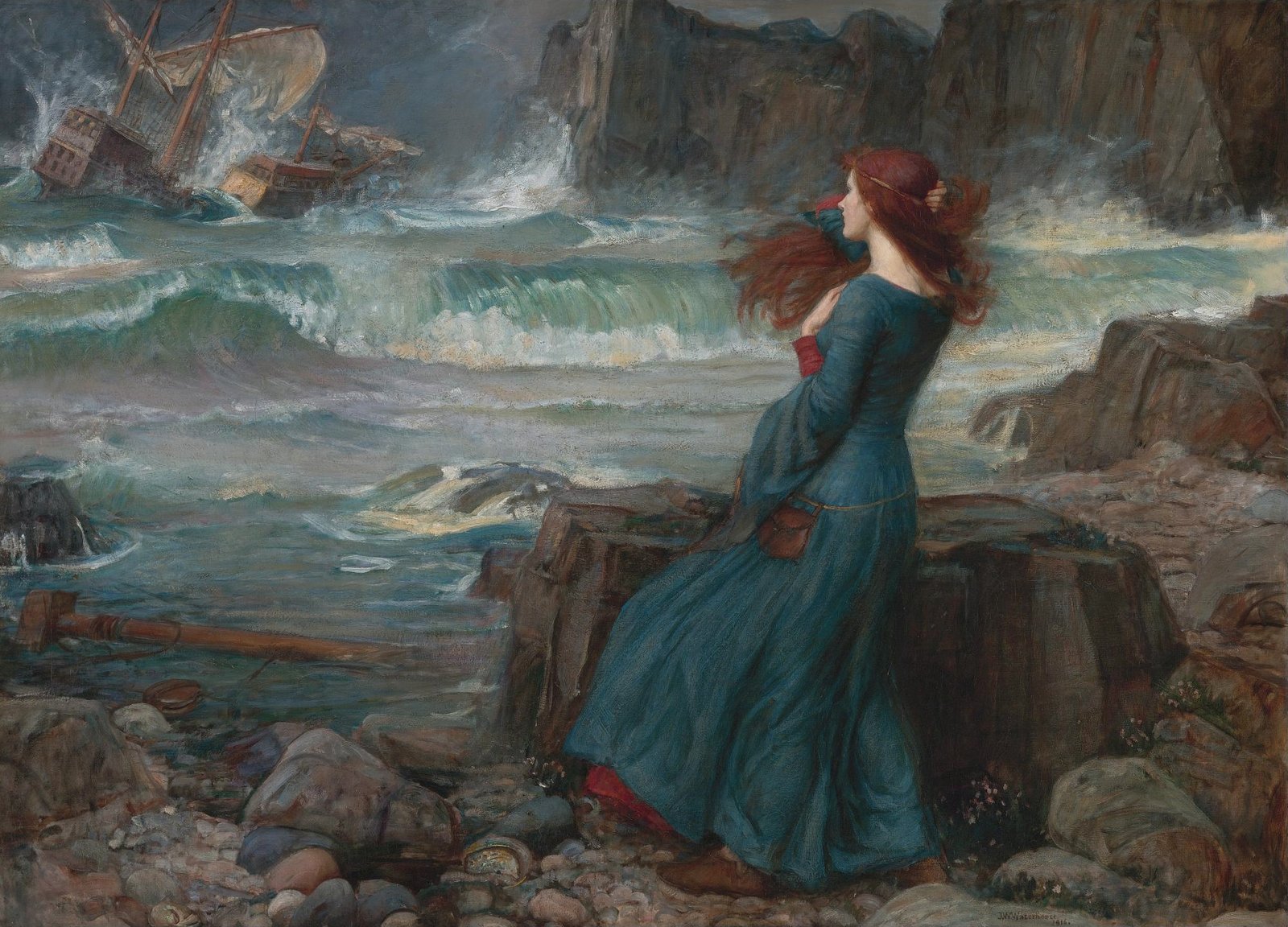
We are such stuff as dreams are made on
We’re made of the same stuff as dreams.

The course of true love never did run smooth
Real love is never easy.
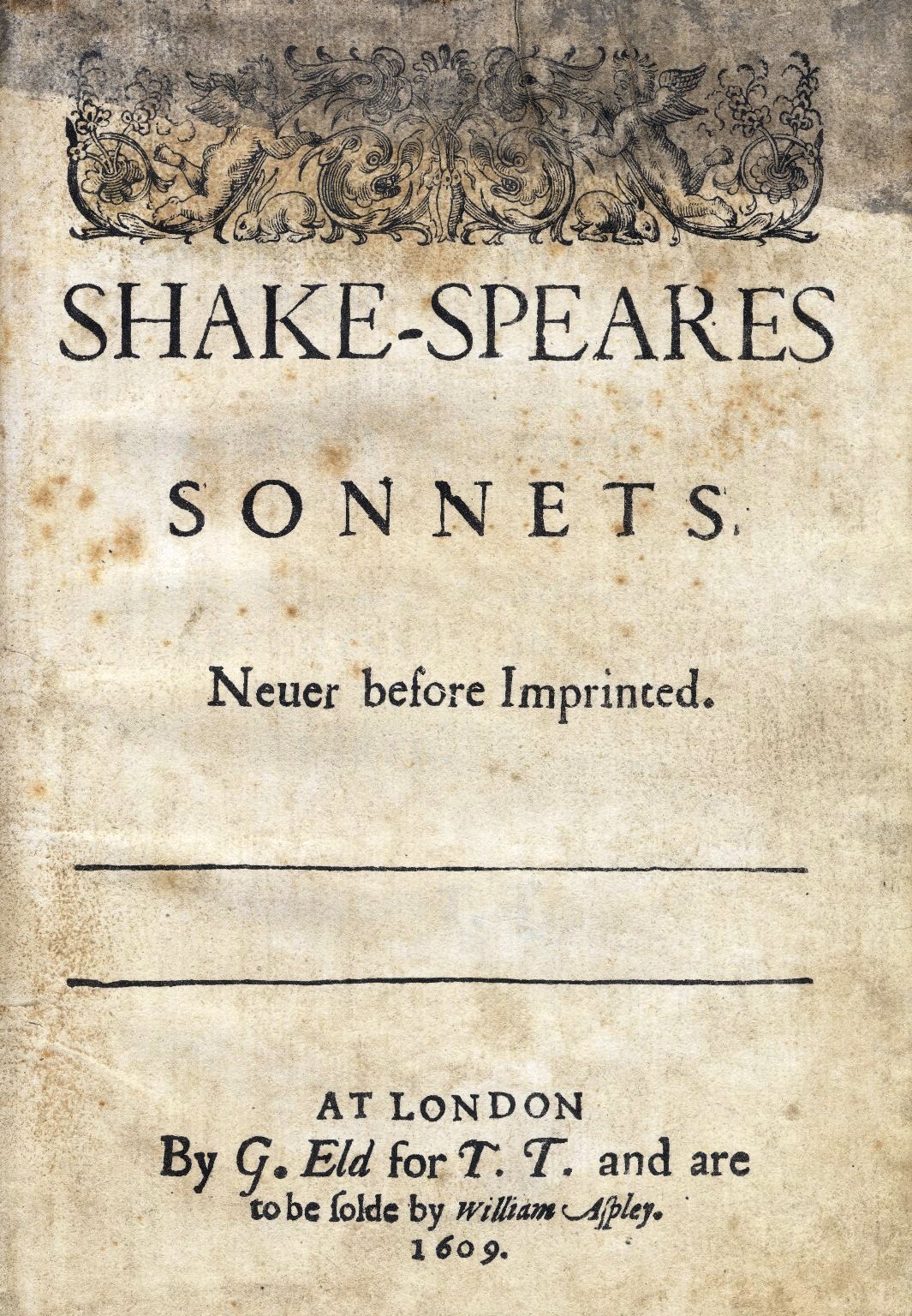
Shall I compare thee to a summer’s day?
Should I compare you to a summer’s day?
More passages, explained line by line: Shakespeare to modern English translator.
You already speak a little Shakespeare. These phrases all appear in his plays.
| Phrase | Play | What we mean by it today |
|---|---|---|
| break the ice | The Taming of the Shrew | Start a conversation in an awkward moment |
| wild-goose chase | Romeo and Juliet | A pointless search |
| wear my heart upon my sleeve | Othello | Show your feelings openly |
| in a pickle | The Tempest | In trouble |
| heart of gold | Henry V | A kind nature |
| the be-all and the end-all | Macbeth | The most important thing |
| laughing stock | The Merry Wives of Windsor | Someone everyone mocks |
| all that glisters is not gold | The Merchant of Venice | Shiny things aren’t always valuable |
Cards and notes: birthday wishes, wedding cards, love letters.
Toasts and speeches: a line in the Dramatic style gets a laugh at a party.
Social posts: captions and bios that stand out.
Stories and games: use it as a Shakespeare language generator for characters in a novel or tabletop campaign.
Renaissance fairs and costume parties: practise a few phrases before you go.
Want something cheeky? Our Insult Generator mixes old words into playful jabs like “Thou art a lumpish, beef-witted knave!” For ready-made lines, browse our Shakespearean Phrases.
1
Write short sentences. One idea per sentence translates more cleanly.
2
Fix spelling and slang first. Write “going to,” not “gonna.”
3
Try every style. The same line can sound sweet in Poetic and silly in Dramatic.
4
Read it aloud. Shakespeare wrote for the ear, so a line that sounds right usually is right.
A Shakespeare translator rewrites modern English in the style of Shakespeare’s plays, or turns Shakespeare’s lines into plain modern English. This one does both, with four styles and word-by-word notes.
Yes. You can use every feature without paying or signing up.
It gives a close, readable match, but no tool is perfect. Old words can have more than one meaning. For school or stage work, compare the result with the original text.
No. It writes in the style of Shakespeare. The grammar and vocabulary are his, but the words are new, not quotes from his plays.
Say “Good morrow” in the morning, “Good den” later in the day, or “Well met” when you meet someone. For goodbye, say “Fare thee well” or “Adieu.”
Say “I love thee.” For more feeling, try “I do love thee” or “Thou hast my heart.”
Nearly. Both names point to Early Modern English as spoken in Shakespeare’s day.
There’s no evidence that he did. The King James Bible was translated by teams of scholars. The story that he hid his name in Psalm 46 is a popular legend, not a proven fact.
Yes, to understand a passage. Quote the original text in your work, and check your school’s rules on translation tools.
You don’t need one. This translator runs in your web browser, including on your phone.
Shakespearean Translator is built by Chris, with a focus on making Shakespearean language easier to understand and more enjoyable to explore. We made this tool because Shakespeare’s language should be fun to play with and easy to understand.
How we check our content: We review word meanings, language explanations, and examples against reputable Shakespeare and English-language reference materials. Where appropriate, we also compare definitions and usage with established Shakespeare resources and historical English references. If you spot a mistake or something that needs clarification, please contact us, and we’ll review it.
How we test the translator: We test the translator with a range of English sentences covering common Shakespearean features, including pronouns such as thou and thee, possessive forms such as thy and thine, verb endings, questions, and different sentence structures. We review the results for clarity, consistency, and appropriate Shakespearean-style language before making improvements to the tool.
A note from the maker: I built Shakespearean Translator to make Shakespeare’s language feel less intimidating and more approachable. Whether you’re reading a play, writing something playful, studying English literature, or simply curious about Shakespearean speech, the goal is to make exploring the language easier and more enjoyable.