
Early Modern English Translator
Translate modern English into Early Modern English, or turn old text back into the English we use today. This free Early Modern English translator works both ways, and it explains each word it changes. You don’t need to sign up.
Pick a direction, pick a style, then press Translate. Not sure what to type? .
Understand the Translation
Recent translations
Free · No signup · Translations are Early Modern English-inspired renderings, not authentic quotations.
Free · No signup · Both directions · Word-by-word notes
How to Use the Early Modern English Translator
Use Translate a File for longer documents, and Listen to hear the result read aloud.
1
Pick a direction. Choose Modern → Early Modern to write in the old style, or Early Modern → Modern to read an old text.
2
Paste your text. A word, a line or a full passage of up to 2,000 characters.
3
Press Translate. Then open Understand the Translation to see why each word changed.
Modern English to Early Modern English
This direction rewrites your words with the grammar of the period: thou and thee, verbs ending in -est and -eth, and older words like hither and anon. Writers use it for historical fiction, role-play and period letters. Pick Classic for the most authentic sound.
Early Modern English to Modern English
This direction helps when you’re reading an old Bible, a prayer book, a poem or a play and the wording gets in the way. Paste the passage and you’ll get plain modern English, with notes on words whose meaning has changed. It works best on printed texts from the period. Handwritten documents may use spellings the tool doesn’t recognise, so type them out as clearly as you can.
What Is Early Modern English?
Early Modern English is the stage of the English language between Middle English and the English we speak now. It’s the English of Shakespeare’s plays, the King James Bible and the Book of Common Prayer. People also call it Elizabethan or Renaissance English, or simply the English of the 1500s and 1600s.
It isn’t a foreign language. Most of its words are ones we still use, and most of its sentences can be followed with a little help. What makes it feel strange is a handful of grammar rules, some archaic words that have dropped out of use, and spelling that hadn’t settled yet.
The Four Stages of English, Side by Side
English has four main periods, or stages. The quickest way to see the characteristics of Early Modern English is to read the same line in all four. Here is the opening of the Lord’s Prayer at each stage.
StageOld English (Anglo-Saxon)
The opening of the Lord’s Prayer
Fæder ure þu þe eart on heofonum
Can a modern reader follow it?No, not without study
StageMiddle English
The opening of the Lord’s Prayer
Oure fadir that art in heuenes
Can a modern reader follow it?Partly
StageEarly Modern English
The opening of the Lord’s Prayer
Our Father which art in heaven
Can a modern reader follow it?Yes, with a few notes
StageModern English
The opening of the Lord’s Prayer
Our Father in heaven
Can a modern reader follow it?Yes
Notice how much closer Early Modern English is to us than to Old English. That’s why a translator can handle it well, while Old English needs its own tools. For older stages, use our [internal link: Old English Translator] or [internal link: Middle English Translator].
Early Modern English Examples from Real Texts
These examples of Early Modern English come from well-known works of the period, beyond Shakespeare. Each one shows a feature of Early Modern English in action.
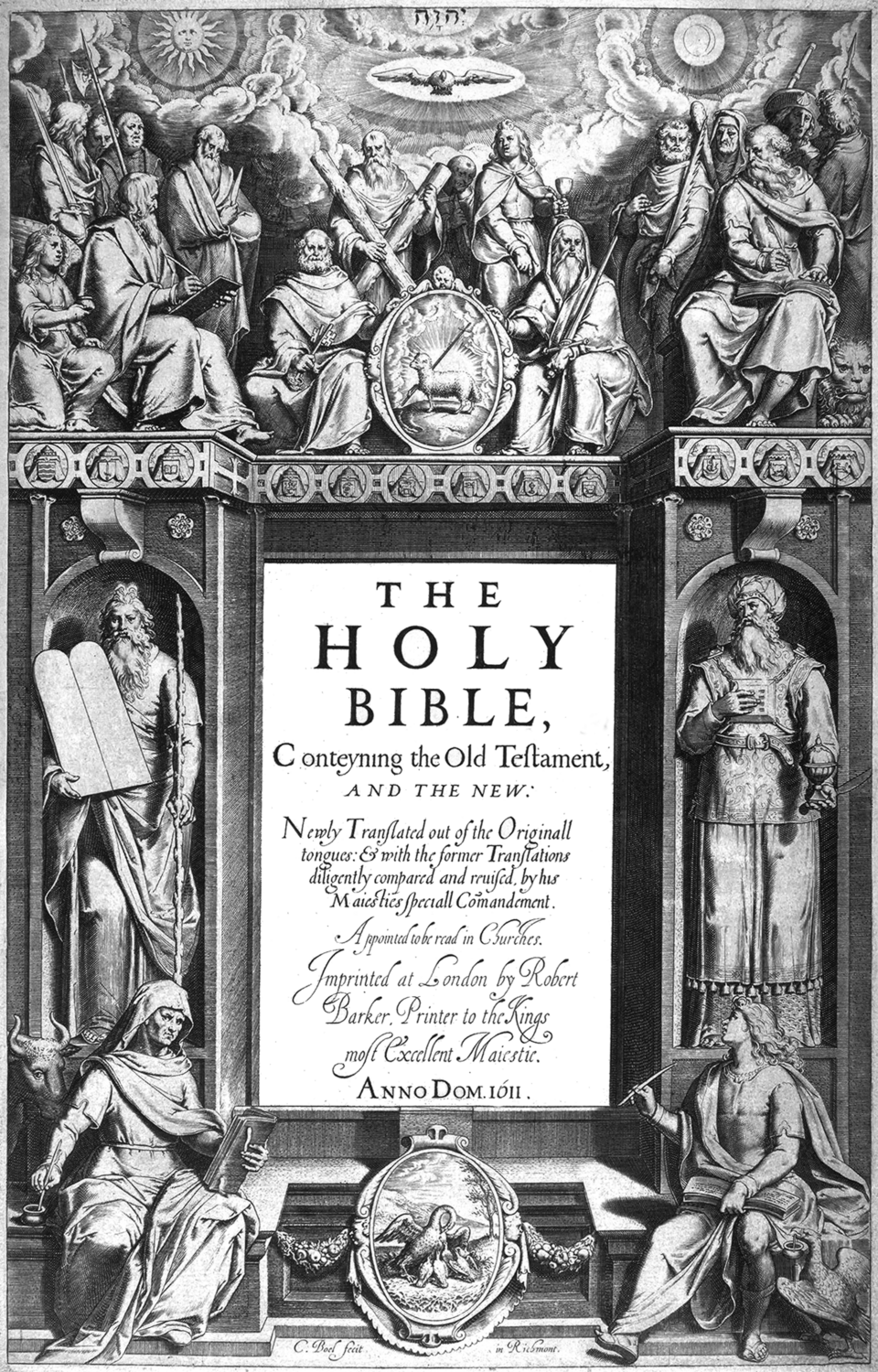
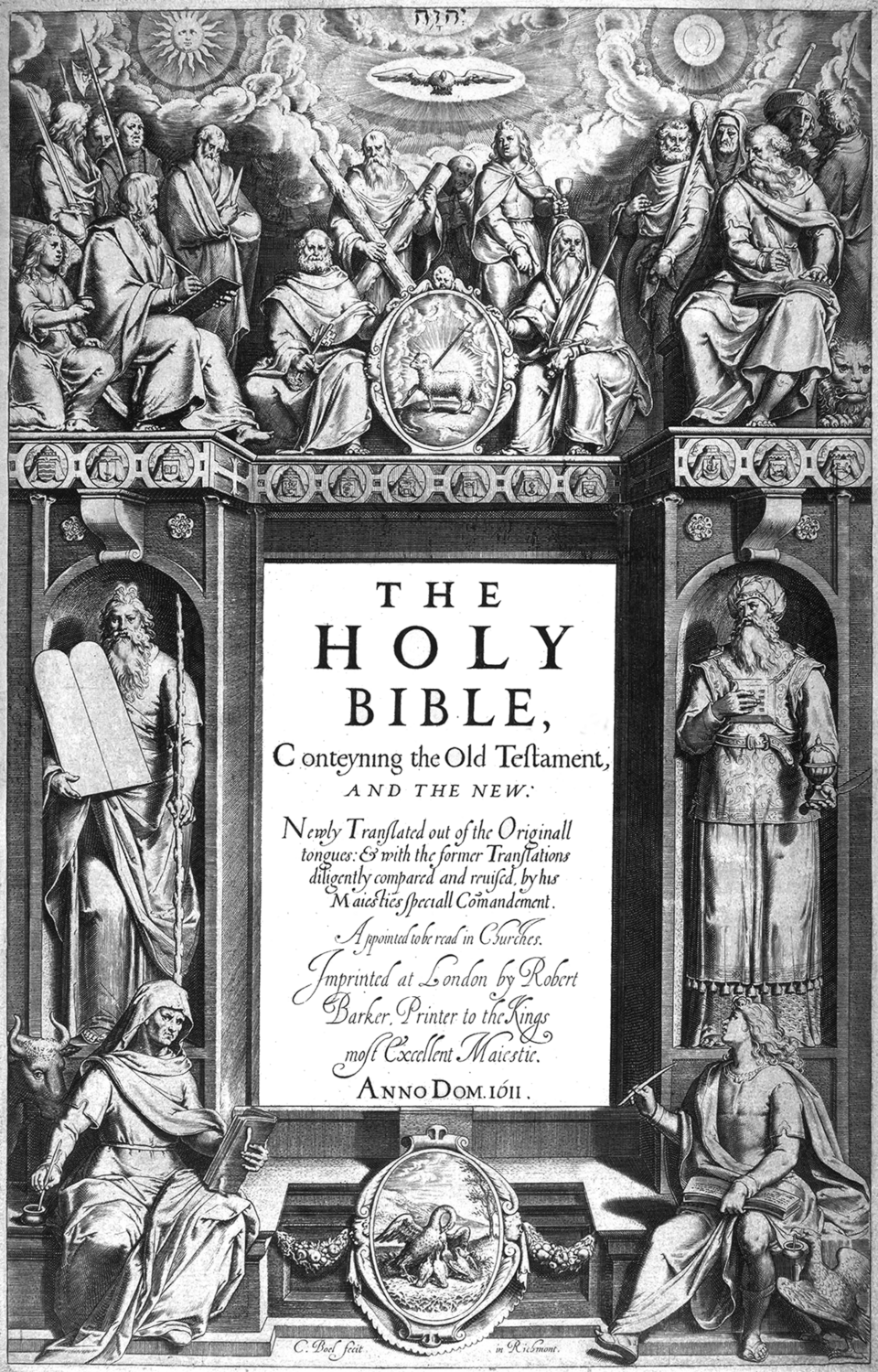
Early Modern English Bible Examples (King James Bible)
| Early Modern English | Modern English | What to notice |
|---|---|---|
| Let there be light: and there was light. | Let there be light, and there was light. | Much of it reads just like today. |
| Thou shalt not steal. | You must not steal. | Thou shalt is the old form of “you shall.” |
| The Lord is my shepherd; I shall not want. | The Lord looks after me; I will have all I need. | Want meant lack, not wish for. |
| Ask, and it shall be given you; seek, and ye shall find. | Ask and it will be given to you; look and you will find. | Ye is plural “you,” used here for a crowd. |
The King James Bible comes from the Jacobean era, the reign of King James I. Its translators built on earlier English Bibles, especially William Tyndale’s, which is one reason its English can sound older than other writing of the same years.
Examples from the Book of Common Prayer
| Early Modern English | Modern English | What to notice |
|---|---|---|
| Dearly beloved, we are gathered together here in the sight of God | Dear friends, we have come together here before God | The opening of the marriage service. |
| to have and to hold from this day forward, for better for worse, for richer for poorer, in sickness and in health | to keep and look after you from today on, in good times and bad, rich or poor, sick or well | From the wedding vows. To have and to hold means to keep and care for. |
Examples from Poets of the Period
| Early Modern English | Writer | Modern English |
|---|---|---|
| No man is an island, entire of itself | John Donne | Nobody lives completely cut off from everyone else. |
| Death, be not proud | John Donne | Death, don’t be so proud. |
| Was this the face that launched a thousand ships? | Christopher Marlowe | Is this the face that sent a thousand ships to war? |
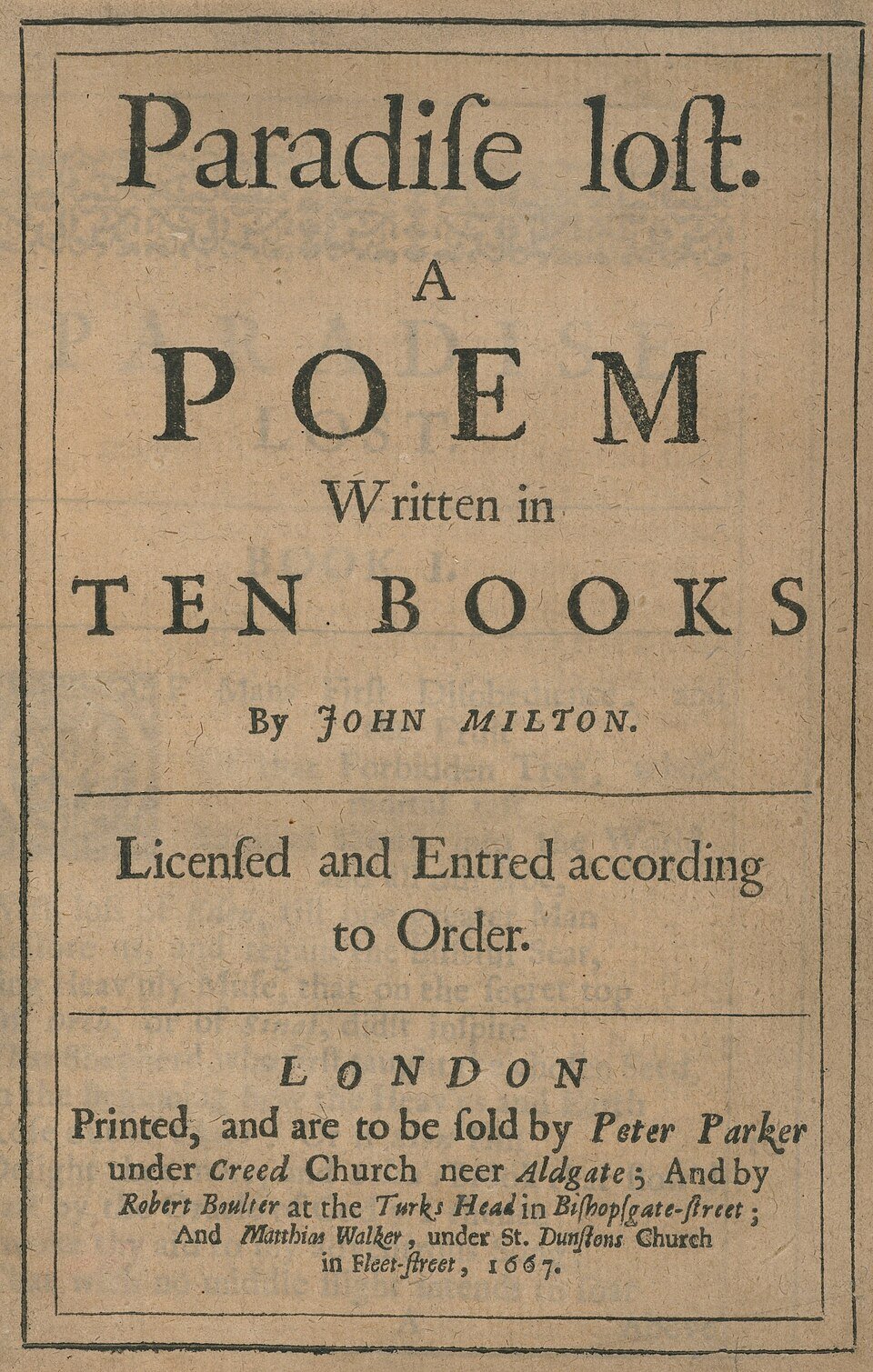
| The mind is its own place, and in itself can make a heaven of hell, a hell of heaven. | John Milton, Paradise Lost | Your mind decides whether life feels like heaven or hell. |
Grammar That Changed Since Early Modern English
The basics — thou for you, the -est and -eth endings, and questions that start with the verb — are explained on our Shakespearean translator page. The changes below are the ones that trip up readers of Bibles, prayer books and other period texts.
| Then | Now | Example |
|---|---|---|
| ye as the subject, you as the object | you for both | Seek, and ye shall find → Look, and you will find |
| his for things | its | if the salt have lost his savour → if salt has lost its taste |
| which for people | who | Our Father which art in heaven → Our Father who is in heaven |
| is come, are gone | has come, have gone | The hour is come → The hour has come |
| plain verb after if | is, has | if the salt have lost → if the salt has lost |
The -eth and -s endings were both in use during the period, so you’ll often see hath and has in texts from the same years.
Spelling and Letters in Early Modern Texts
If you read Early Modern English in its original print, the spelling can look stranger than the grammar. Spelling wasn’t standardised yet. The printing press, which William Caxton brought to England, spread printed books widely, but printers still spelled the same word in several ways, sometimes on one page.
The long s (ſ).
It looks like an f without the full crossbar. Bleſſed is simply blessed.
u and v.
Printers often used v at the start of a word and u in the middle, whatever the sound. So vnto is unto, and haue is have.
i and j.
These were often treated as one letter, so iust is just.
"Ye" meaning "the."
In Ye Olde Shoppe, the y stands in for an old letter, thorn (þ), which made the th sound. It was read as “the,” not “ye.”
Extra letters.
Words often carry an extra -e or doubled consonants, such as olde or sunne.
Tip: before you translate an original-spelling text, swap ſ for s, and fix u, v, i and j. The translator will give you a much cleaner result.
New Words and Shifting Sounds
Early Modern English grew fast. Writers borrowed many words from Latin and Greek, such as atmosphere, skeleton and encyclopedia. Critics mocked the showiest ones as “inkhorn terms”, but plenty of them stuck and are everyday English now.
Pronunciation was changing too. Long vowel sounds were moving, a change known as the Great Vowel Shift. Spelling started to settle before the sounds finished moving, which is one reason English spelling and pronunciation often don’t match today.
Words That Changed Meaning
The trickiest Early Modern words are the ones that look modern. They’re still in use, but they meant something else then. Many of these turn up in the King James Bible and the Book of Common Prayer.
| Word | What it often meant then | Example |
|---|---|---|
| want | lack, be without | I shall not want (I will lack nothing) |
| let | hinder, stop | but was let hitherto (but was stopped until now) |
| prevent | go before, come first | I prevented the dawning of the morning (I got up before dawn) |
| suffer | allow | Suffer the little children to come (Let the children come) |
| quick | alive | the quick and the dead (the living and the dead) |
| meat | food of any kind | meat and drink (food and drink) |
| corn | grain of any kind | a field of corn (a field of wheat or barley) |
| charity | love | faith, hope, charity (faith, hope, love) |
| conversation | way of life, behaviour | Having your conversation honest (Living an honest life) |
| prove | test | prove all things (test everything) |
Who Uses an Early Modern English Translator?
Students reading set texts, from poetry to the Bible as literature.
Family and local historians working through old wills, parish records and printed books.
Writers who want believable dialogue for historical fiction.
Game masters and role-players building a period voice for a character.
Readers of old Bibles and prayer books who want to check what a verse means today.
How to Read Original Early Modern Sources
Old printed books, wills and parish records are harder than modern editions. Use this method with primary sources, then check your reading with the translator.
1. Look for a modern edition first. Famous texts often have one. Compare it with the original as you go.
2. Copy the text exactly, then modernise the letters. Change ſ to s, sort out u/v and i/j, and read y as th where it stands for thorn.
3. Expand short forms. A line over a vowel can stand for a missing m or n (cōmon = common). & means and, y^t means that and w^ch means which.
4. Check odd words in a historical dictionary. The Oxford English Dictionary shows how a word’s meaning has changed over time.
5. Read the whole document for context. Wills and legal papers repeat set phrases, so one clear example explains the rest.
6. Translate, then keep both versions. Store the original next to your modern reading so you can check it later.
For study, quote the original text in your work and use the modern version only to understand it.
Shakespeare and Early Modern English
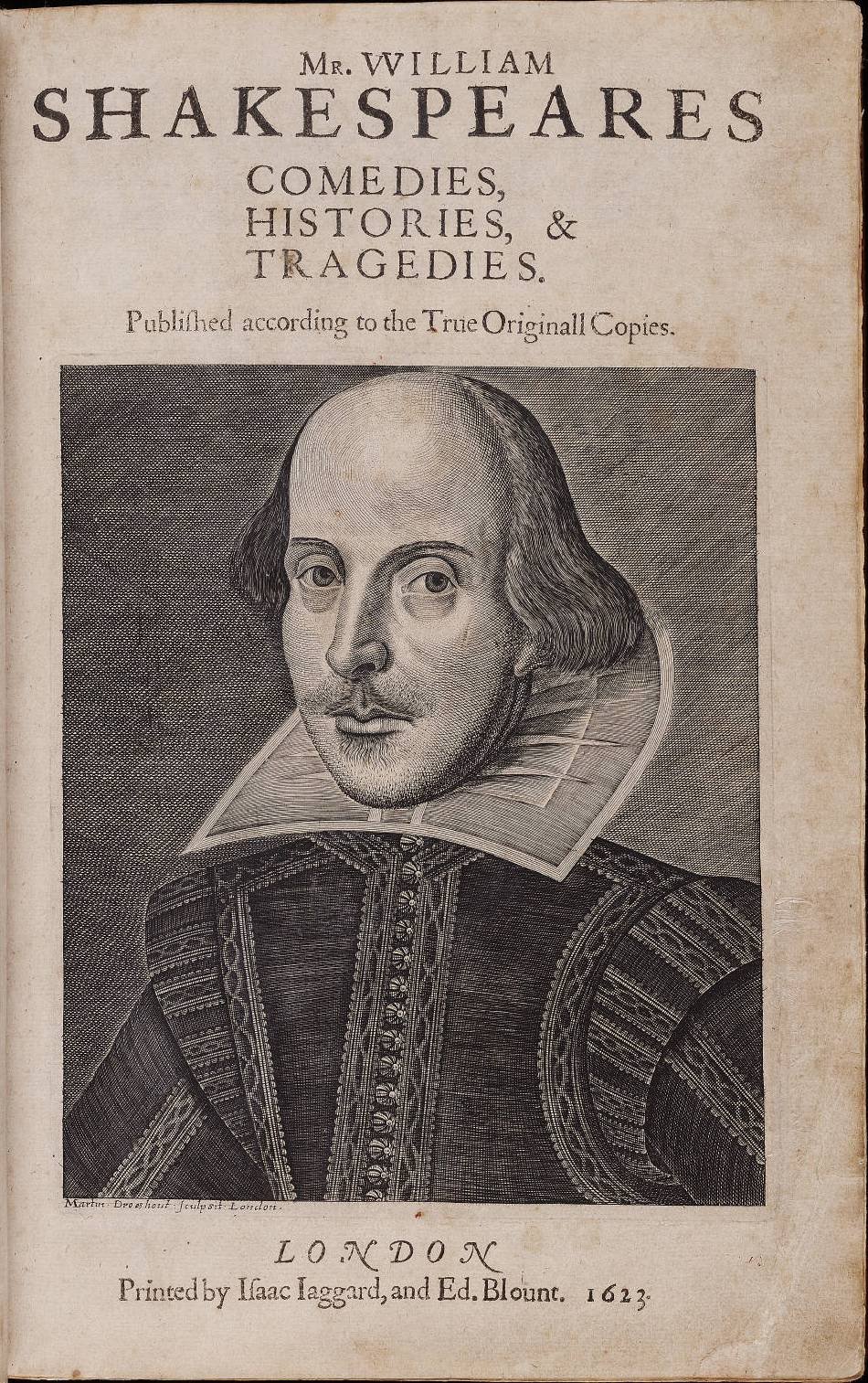
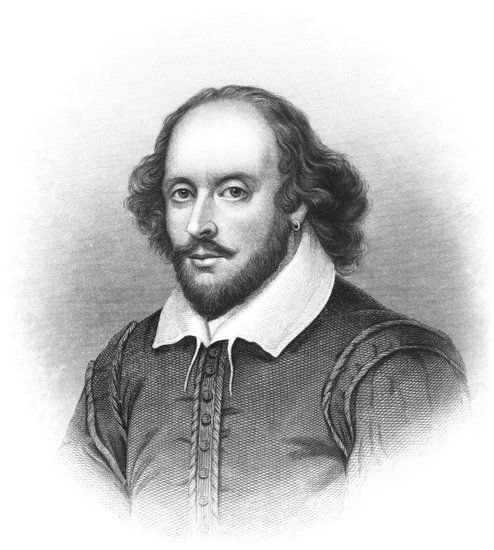
Shakespeare wrote in Early Modern English, but he’s only part of the story. This page covers the language of the whole period. If you want Shakespeare’s style for a card, a caption or a story, use our Shakespearean translator. To understand a speech from one of his plays, use the Shakespeare to modern English translator.
Early Modern English Translator FAQ
What is an Early Modern English translator?
It’s a tool that turns modern English into the English of the Early Modern period, or turns Early Modern text back into modern English. This one works both ways and explains each change.
Is this Early Modern English translator free?
Yes. It’s free to use, and you don’t need an account.
When was Early Modern English spoken?
It sits between Middle English and the English of today. It covers much of the Tudor and Stuart eras, the age of Shakespeare, the King James Bible and John Milton.
Is Early Modern English the same as Old English?
No. Old English is a much older stage that looks like a foreign language today. Early Modern English is close to modern English and is mostly readable.
Is Early Modern English the same as Shakespearean English?
Shakespeare wrote in Early Modern English, so his English is one example of it. Early Modern English also covers the Bible, prayer books, poems, letters and other writing of the period.
How accurate is the translation?
It gives a close, readable result, but no tool is perfect. Old spellings and words with shifted meanings can trip it up. For school or research, check the result against the original and a good dictionary.
Why does the King James Bible use "thee" and "thou"?
Thou and thee are the singular forms of “you.” The translators kept the difference between singular and plural “you” so their English could follow the original languages closely.
Who translated the Bible into Early Modern English?
Several translators did. William Tyndale made an early English New Testament, and later a team of scholars produced the King James Bible, drawing heavily on his work.
Can I use this to write in Early Modern English for a story or game?
Yes. Choose Modern → Early Modern and the Classic style. Read the result aloud and adjust any line that doesn’t fit your character.
About This Translator
This Early Modern English translator is built by Chris to make the language of Shakespeare’s time easier to read and understand, including language found in historical works such as the King James Bible and Book of Common Prayer.
How we check our content: Our explanations and examples are reviewed against reputable references on Early Modern English and historical language. If you spot an error, please contact us so we can review and correct it.
How we test the translator: We test different sentence structures, vocabulary, pronouns, verb forms, and period-style wording to improve the accuracy and readability of translations.
What happens to your text: Text you enter is processed to provide your translation. See our Privacy Policy for details about data handling and retention.